- 70/771-1112
- ugyfelszolgalat@csigaplaza.com
- Hétfő-Péntek: 10-15h





Banijay Gaming Reports Stronger App-Led Results
Banijay sees app-led betting growth
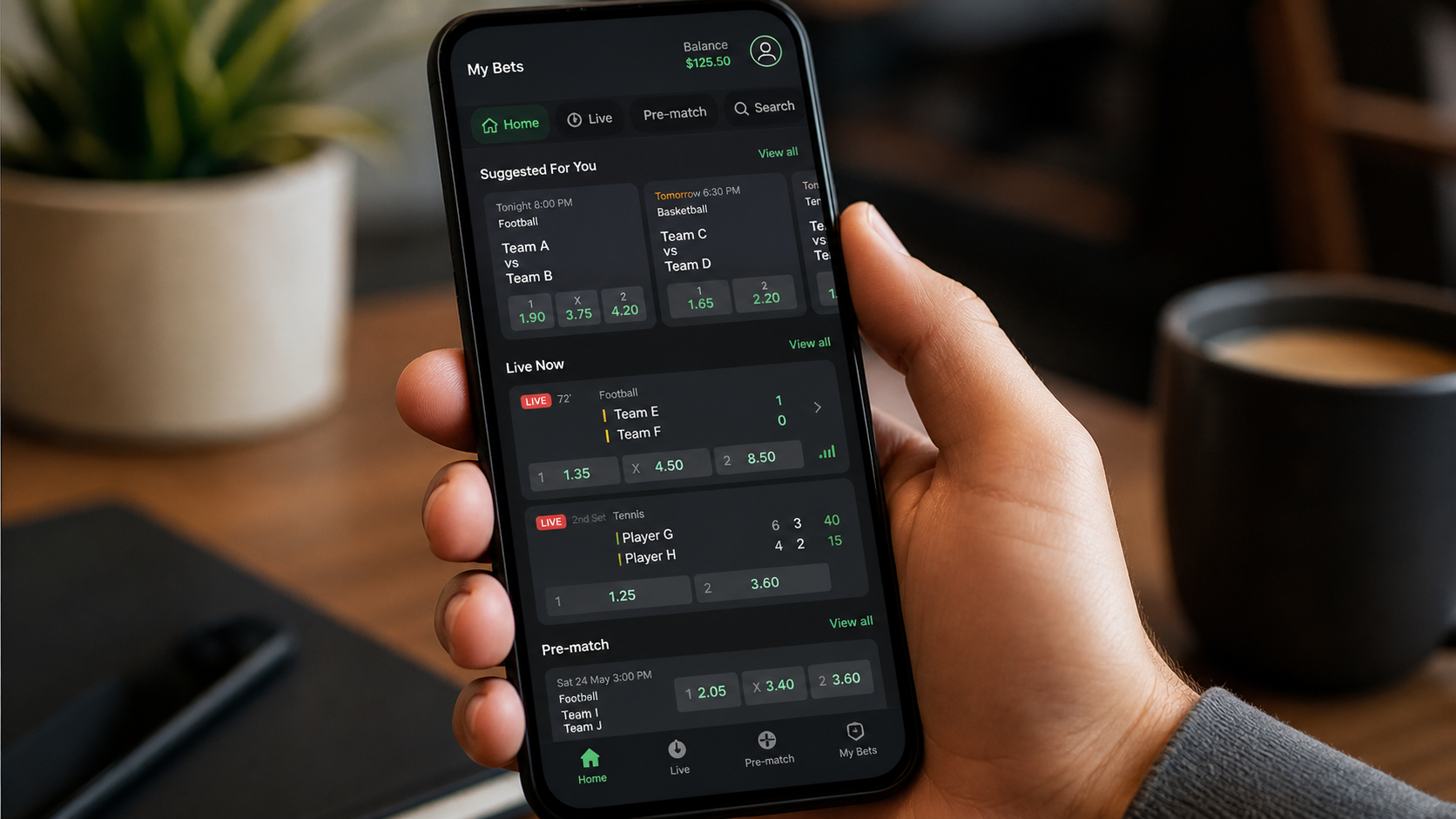
Alt: Hand holding smartphone with personalized sports betting app interface
Banijay Group has reported a stronger year for its online sports betting and gaming division, with app upgrades playing a clear role in the company’s 2025 results. The group said its gaming revenue reached €1.59 billion, up 10.2% year on year, while the broader company posted €4.88 billion in total revenue. In a market where large betting platforms such as bizbet download apk also depend on product quality, app speed, and user retention, the figures were published in Banijay’s full-year results for 2025.
The update matters because it shows how much betting operators now rely on product details that users notice every day. Banijay said its sportsbook app was upgraded to a ninth version in 2025, adding new features, more betting options, and stronger personalisation. By December, the app ranked as the most downloaded sports betting app across the markets where the group operates.
The app became a bigger part of the story
The company’s results show that betting growth is no longer only about major sports calendars or wider market demand. The user experience inside the app is becoming just as important.
Banijay pointed to improved app functions and personalisation as part of the division’s performance. In mobile betting, where products such as 1xbet apk also depend on fast access, clear navigation, and relevant market display, these details can directly shape how users move through the platform. That means users are being shown more relevant options, cleaner navigation, and more direct access to the markets they are likely to follow.
The company also reported that sportsbook revenue reached €1.21 billion in 2025, up 6.8%. That part of the business was helped by interest around major competitions, including the UEFA Champions League and national leagues, though sports results also created temporary pressure during the year.
What changed for users
Banijay did not present the app upgrade as a single design refresh. The update was tied to how users move around the sportsbook, how quickly they find markets, and how the product reacts to their habits.
The most important changes appear to be:
- More betting markets inside the app
- Better personalisation across the user journey
- Extra product features for sports events
- Clearer access to popular competitions
- Stronger links between betting and gaming sections
This points to a wider trend in the betting sector. Operators are trying to reduce friction, especially on mobile. Users do not want to dig through long menus or repeat the same steps every time they open an app.
Results behind the product update
The main figures show that Banijay’s betting and gaming division grew alongside wider improvements in its sportsbook app. The table below brings together the key financial results and product updates mentioned in the company’s 2025 report.
|
Area |
2025 result or change |
|
Banijay Group revenue |
€4.88 billion |
|
Gaming division revenue |
€1.59 billion |
|
Gaming revenue change |
Up 10.2% year on year |
|
Sportsbook revenue |
€1.21 billion |
|
Sportsbook app |
Ninth version released in 2025 |
|
App ranking |
Most downloaded sports betting app across its markets |
Personalisation is becoming a serious tool
Personalisation is now one of the main ways betting platforms try to keep users active. It can help place relevant markets closer to the front, reduce unnecessary clicks, and make the app feel less crowded.
For operators, this is also practical. A better app can support stronger retention without relying only on promotions. It can also help users move between sports betting and gaming products more easily, which Banijay described as part of the division’s stronger cross-sell activity.
Still, this kind of product work has to be handled carefully. A crowded app can feel messy. Too much personalisation can feel pushy. The best version is quiet and useful: the app understands user habits without making the experience feel forced.
Why the update matters now
Banijay’s 2025 figures arrive at a time when betting operators are paying closer attention to mobile design, payment flows, and user journeys. Large sports events can bring traffic, but apps still need to keep people moving smoothly once they arrive.
The company has also linked future growth to a larger gaming strategy, including recent acquisition plans and a stronger focus on sports-led activity in 2026. Reuters reported that Banijay expects its recent deals to support longer-term expansion toward 2029.